
Our lives have been transformed by smart technology. There are many ways to improve your life with smart technology, from health-minded smart watches to home assistants that tell you the weather and remind you of your tasks.鈥��
Residences have also adapted to the digital age. is rapidly transforming offline homes into ecosystems of connectivity, where a resident can seamlessly use multiple smart devices for an elevated living experience.鈥�
In fact, smart home technology is increasingly becoming a deciding factor for residents. With , connectivity is no longer a luxury, but a crucial component of the modern living space.鈥��
Given the popularity of connected devices, Build to Rent owners and operators stand to benefit from smart home technology and should familiarise themselves with the concept.鈥��
This article will tell you how smart home technology works, and how its associated products can make housing communities more efficient while promoting sustainability and wellness.鈥�
What is smart home technology?鈥�
Smart home technology refers to home amenities that include automated connectivity. Instead of switching the lights on or controlling the thermostat manually, smart home technology automates these daily tasks.鈥��
When placed in a multi-dwelling unit, smart property technology (or 鈥溾��) transforms the space into a smart apartment. Smart apartments, as opposed to traditional smart homes, are designed to be reprogrammed frequently and are simple enough for new tenants to get to grips with quickly.鈥�
Additionally, smart home tech makes Build to Rent managers’ lives easier, as they can keep tabs on everything from an apartment’s energy consumption to who is accessing their building. Often this data can be accessed via , so operators can properly manage the building without having to be on site.鈥�
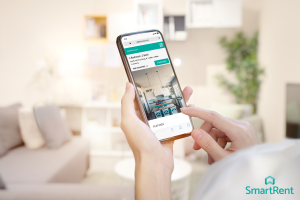
Homes have become ecosystems of connectivity
Common smart building products鈥�
The following products are commonly found throughout smart communities:鈥�
- allows residents to enter buildings and amenity spaces using a unique code. Things are equally simple for operators, who can remotely manage access鈥��
- : Across England and Wales, is lost to leaks daily. Leak sensors reduce the chance of catastrophic water damage鈥�
- reduces residents鈥� bills and trims costs at the property level. Smart thermostats can be controlled remotely and used to regulate settings in vacant units鈥��
The benefits of smart home technology鈥�
PropTech does more than enhance the space for residents. It also offers an attractive list of benefits:鈥��
- Increased revenue: Attract tenants with sought-after amenities, lease more units in less time and take advantage of ancillary revenue opportunities鈥��
- Decreased costs: From access platforms that streamline entry to buildings and amenity spaces to thermostats that reduce energy use, smart technology makes building management less costly鈥��
- Streamlined operations. Today鈥檚 smart home packages save time and labour with services that can easily and remotely handle strenuous tasks.鈥�
听
When equipped with the right technology, Build to Rent developments can reduce energy consumption and help residents live a more sustainable life
Sustainability and smart buildings鈥��
is a major benefit of smart home technology. When equipped with the right technology, Build to Rent developments can reduce energy consumption and help residents live a more sustainable life.鈥��
Smart home devices like thermostats have a direct impact on energy consumption. Devices that aren鈥檛 explicitly focused on saving energy can 鈥渞est鈥� when not in use, conserving energy.鈥�
Sustainable proptech also has financial benefits. Energy claims of total expenditure for a typical building. Decrease energy use by 10%, and 听finds that you鈥檒l increase your net operating income (NOI) by 1.5%.鈥�
In addition, consumers are attracted to sustainable features. This is especially true among Millennials and Gen Z.听听
Millennials, who of all rent in the UK, would pay for smart home integrations. Gen Z in the United Kingdom are more likely to pay higher prices on eco-friendly products.鈥��
Because these young consumers care deeply about environmental impact 鈥� and are willing to pay more for sustainable products and features 鈥� smart homes are a very attractive option.鈥��

Smart technology can help reduce heating costs
Initiating social change with smart technology鈥�
Aside from sustainability initiatives, smart technology is well suited to social needs. The housing industry exemplifies this for on-site employees and residents.鈥��
When processes are automated, teams are freed from mundane tasks, allowing them to be more flexible in their roles.听听
Job flexibility is a big motivator for employee happiness, as of Britons rate flexible work more highly than career advancement. Some view it as the most significant measure their employer has taken to nurture their mental well-being.鈥�
Of course, smart technology speaks to residents鈥� needs as well. According to , 71% of Brits find it important to live in a digitally connected property due to the convenience of smart home devices.听听
Smart thermostats facilitate deep, restful sleep by adjusting to the recommended when the resident goes to bed. Traditional thermostats often overshoot this temperature range, making the space too cold for restorative sleep. Not to mention, simply having more control over one鈥檚 living space .鈥��
According to Samsung, 71% of Brits find it important to live in a digitally connected property
Finally, the right technology can address deeper accessibility issues. An example is the United Kingdom’s vast “digital divide” between those who have and do not have access to high-speed internet.鈥��
Around lack the basic digital skills that have become essential in today鈥檚 world, and two million households struggle to pay for adequate internet access. Built-in internet connectivity can solve accessibility issues like this.鈥�
A checklist for getting started鈥�
If you鈥檝e decided that smart home technology is a worthwhile investment, you are likely wondering how to implement smart home devices in your building.鈥��
Because no installation is 鈥渙ne size fits all,鈥� it鈥檚 a good idea to at the outset of the project so they can assist you in determining what your needs are.鈥��
Once you have zeroed in on a smart home provider, the following steps must be taken:鈥�
- Ensure that your building has stable and pervasive connectivity. Most smart home devices rely upon a strong internet connection to function properly鈥��
- Main power sockets must reside in a suitable space that allows each unit鈥檚 hub to connect to power easily. This is often the apartment鈥檚 utility room鈥��
- If you plan to install devices like leak sensors or water shut-off valves, ensure your building鈥檚 pipes and other components are in an area that allows enough space for installation鈥�
- Anticipate a thorough assessment of your building from your technology provider. Reputable companies will inspect everything listed above as well as the general condition of your asset鈥�
The smart home of the future鈥�
Investing in smart home technology will equip your development with the tools needed to attract eco-conscious, connectivity-minded residents now and in the future.鈥�
What will future smart homes look like? Here is what we can expect:鈥�
- Immersion in the Internet of Things (IoT) is inevitable. A smart home will no longer be a luxury, and we will increasingly use technology to live healthier, happier lives鈥��
- forecasts that devices will use machine learning to learn more about owners鈥� needs, resulting in a more intuitive experience. The publication predicts that lights will change based on our activities and smart showers will adjust water to the perfect temperature every time鈥��
- Everything will work together seamlessly. Smart home ecosystems will evolve, growing stronger and more inclusive of technologies from multiple providers. Users will need only one app to control everything鈥��
- Smart home technology is a natural fit for modern residents鈥� connected lifestyles. Proptech in Build to Rent assets help tenants, owners, and on-site employees live well, conserve resources, slash operating costs and realise additional income generation.鈥��
This article was contributed by . Founded in 2017, SmartRent ($SMRT) is an enterprise smart home building technology platform for real estate owners, managers and residents. SmartRent’s solutions provide seamless visibility and control over assets while delivering additional revenue opportunities through all-in-one home control offerings for residents. Our proprietary software integrates with third-party hardware and other software vendors to provide users with one centralised platform.听